
Introduction: Understanding Wisdom Teeth and Why They Matter
Wisdom teeth, medically known as third molars, are the last set of teeth to erupt in the mouth. The term originates from the Greek phrase “odontias sophias,” meaning “teeth of wisdom,” because they appear during late adolescence—typically between ages 16 and 24—when individuals are believed to gain maturity.
While these teeth once played an important role in chewing coarse foods, modern dietary changes and reduced jaw sizes have made them largely redundant. As a result, many people experience complications that require professional dental evaluation.
If you live in Dubai near Sheikh Zayed Road or Deira and are experiencing discomfort in the back of your mouth, this guide will help you understand when to consult our dentist or specialist oral and maxillofacial surgeon at Crossroads Dental Clinic, Dubai.
Why Wisdom Teeth Often Cause Problems
Anthropologically speaking, jaw size has reduced over generations due to the increased consumption of processed foods. This has left little room for wisdom teeth to erupt properly.
When a wisdom tooth fails to erupt into its normal position, it becomes impacted. Impacted teeth may remain partially or fully embedded in the jawbone, leading to pain, infection, gum inflammation, and damage to neighboring teeth.
Upper vs Lower Wisdom Teeth: What’s the Difference?
Lower Wisdom Teeth (L3Ms)
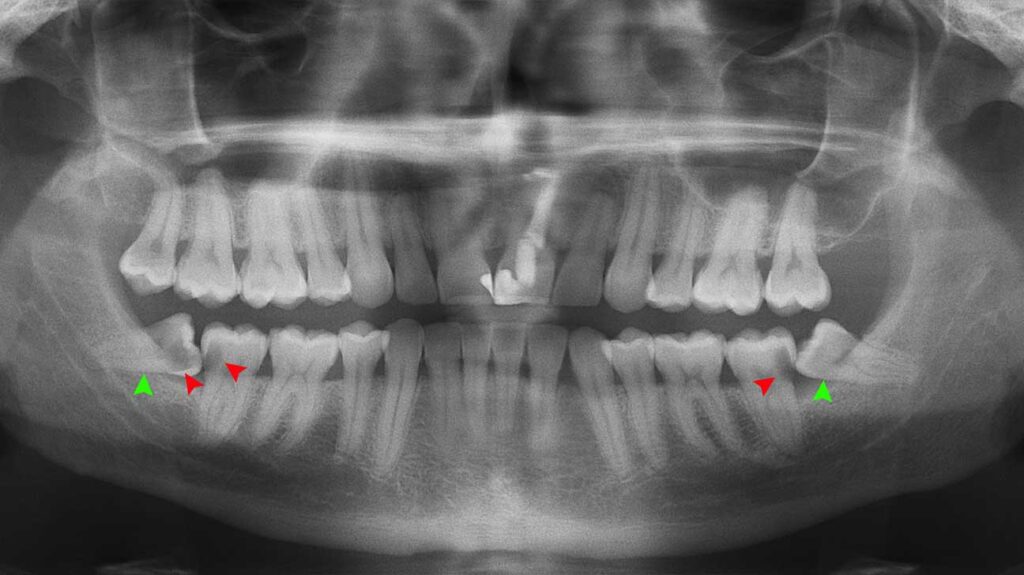
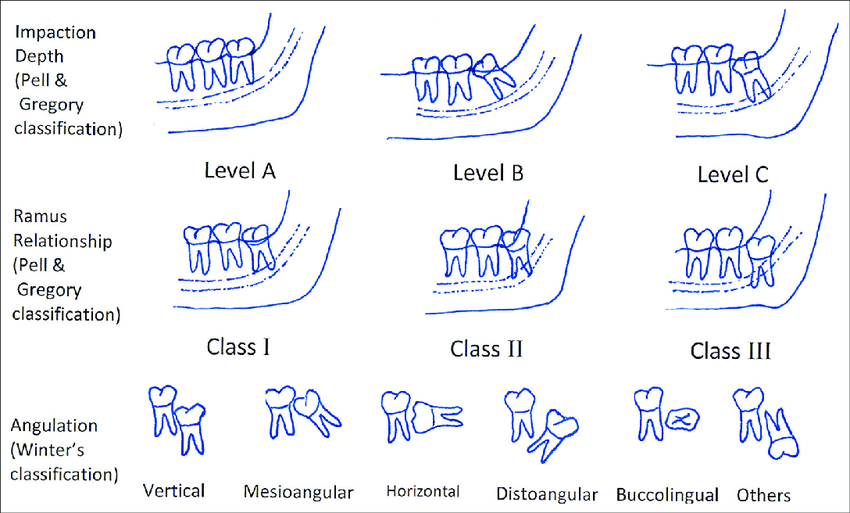
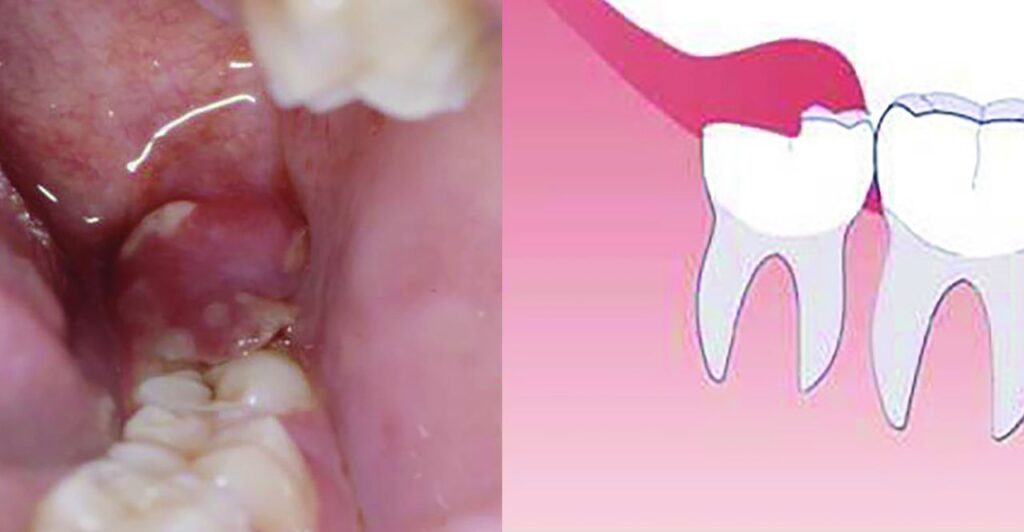
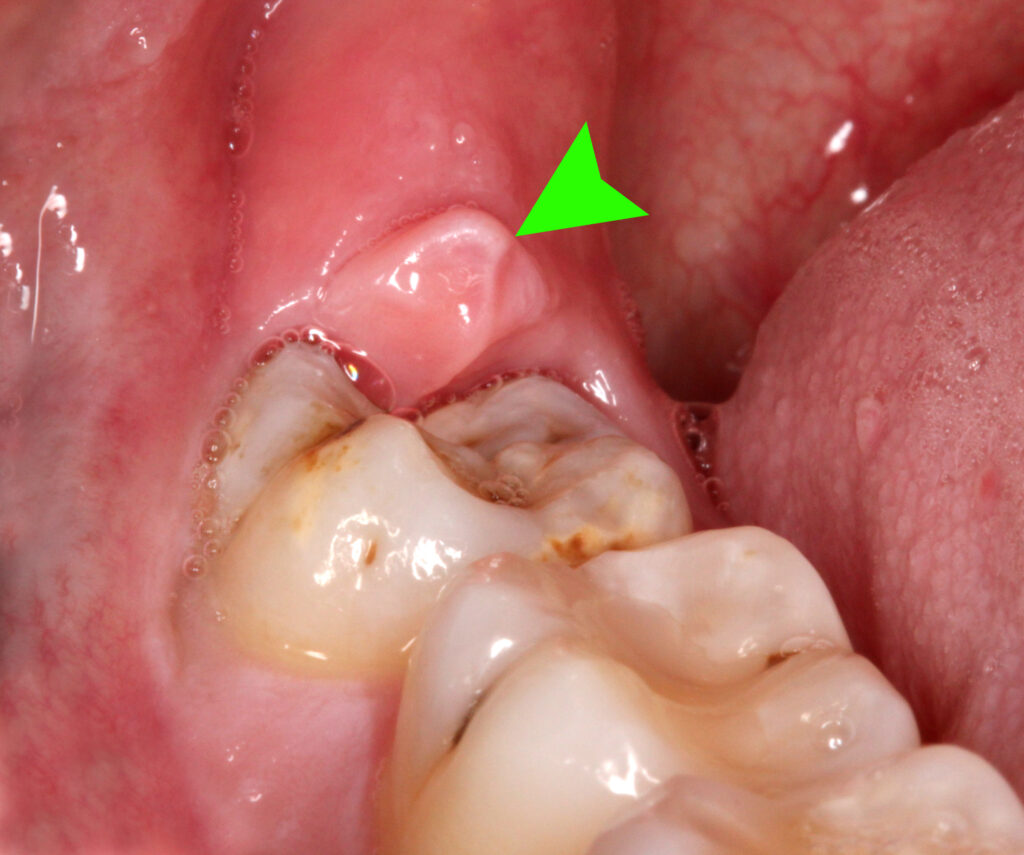
Lower third molars are more prone to impaction because the lower jaw (mandible) is denser and often lacks sufficient space.
Common concerns with lower wisdom teeth include:
Complete embedding in the jawbone
Incorrect angulation (tilted or horizontal growth)
Infection and swelling
Pressure on adjacent molars
Because of their position and bone density, surgical removal is often more complex compared to upper wisdom teeth.
Upper Wisdom Teeth (U3Ms)
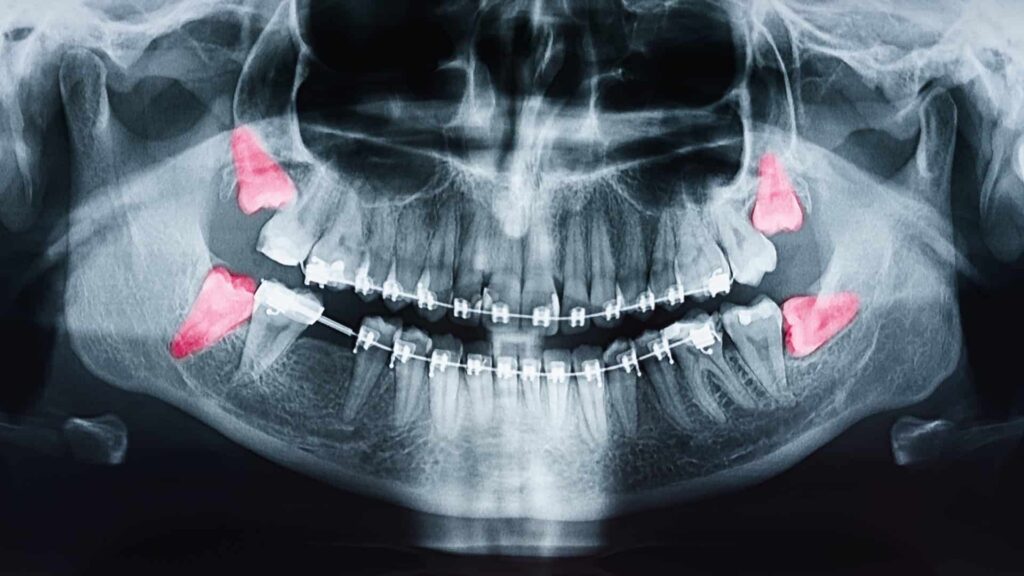
Upper third molars typically erupt more frequently than lower ones due to less dense bone (maxilla). However, they often erupt in abnormal positions.
Common issues include:
Difficulty cleaning the cheek-facing surface
High risk of decay
Cheek biting due to misalignment
Hidden infections
Upper wisdom teeth may appear harmless but can cause silent damage if not monitored.
When Should You Visit a Dentist for Wisdom Teeth at Crossroads Dental Clinic, Dubai?
If you notice any of the following signs, schedule a dental consultation immediately:
1. Sharp Pain or Swelling
Pain is the most common and urgent reason to visit a dentist. Swelling may indicate infection or abscess formation.
2. Gum Irritation Around the Area
Early gum inflammation around partially erupted teeth (pericoronitis) should be treated promptly to prevent worsening infection.
3. Food Getting Stuck Frequently
Repeated food lodgement around wisdom teeth may signal improper eruption and poor accessibility for cleaning.
4. Dull, Vague Pain While Chewing
If you avoid chewing on one side due to discomfort, it may indicate trauma caused by upper wisdom teeth biting into the cheek.
Ignoring these symptoms may lead to:
Infection spread
Jaw cyst formation
Damage to neighboring molars
Emergency surgical procedures
For residents in Dubai near Sheikh Zayed Road or Deira, early consultation with our qualified dentist or specialist oral and maxillofacial surgeon at Crossroads Dental Clinic, Dubai ensures conservative and predictable management.
Best Age for Wisdom Teeth Evaluation
The ideal time for wisdom tooth evaluation is between 16 and 24 years.
Why this age?
Teeth are actively erupting
Jawbone is less dense and more yielding
Surgical removal is easier
Recovery is faster
Complications are minimized
Early assessment allows for planned treatment rather than emergency intervention.
Why Regular Monitoring Is Important
If your dentist advises against immediate removal, regular follow-ups are essential.
Recommended Monitoring Schedule:
Clinical examination: Every 6 months
Radiographic assessment (OPG X-ray): Every 2 years
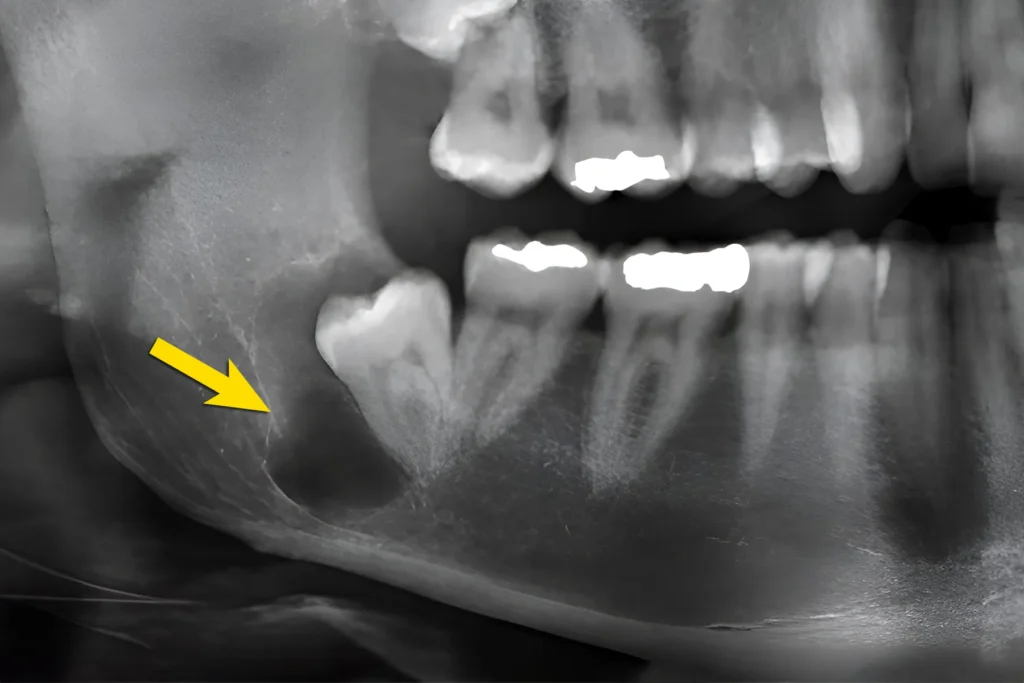
Radiographs help detect:
Hidden cyst formation
Bone loss
Damage to adjacent molars
Silent infections
Wisdom teeth have a higher tendency to develop pathological lesions if partially or fully impacted. Many of these complications are painless initially and only visible on X-rays.
Why Early Treatment Is Better Than Emergency Care
In dentistry, prevention and planned intervention are always better than forced treatment due to pain.
Wisdom teeth should be managed with:
Informed decision-making
Proper radiographic evaluation
Timely removal if required
Regular follow-up
Delaying treatment can result in:
Severe infection
Facial swelling
Jaw stiffness
Emergency surgery
Taking proactive steps helps you avoid unnecessary discomfort and long-term complications.
Conclusion: Make an Informed Choice About Your Wisdom Teeth
Wisdom teeth may be called “teeth of wisdom,” but managing them wisely means acting early.
If you are between 16 and 24 years old—or experiencing any of the symptoms discussed above—schedule an evaluation with a trusted dentist at Crossroads Dental Clinic, located in Deira and on Sheikh Zayed Road, Dubai.
Remember:
It is always better to choose treatment with proper planning rather than being forced into it due to pain.