
Tooth extraction is one of the most common dental procedures performed worldwide. While the idea of removing a tooth may sound intimidating, modern dentistry has made the procedure safe, predictable, and comfortable.
Historically, tooth extraction was a painful process performed without anesthesia. Fortunately, the discovery of anesthetics in the mid-19th century transformed dental care, allowing dentists to remove teeth safely and comfortably. Today, dental professionals use advanced techniques and technology to perform extractions with minimal discomfort and faster recovery.
At Crossroads Dental Clinic in Dubai, our experienced dental team ensures every extraction procedure is performed with the highest standards of care, patient comfort, and safety.
In dentistry, tooth extractions are broadly classified into two types:
Simple Tooth Extraction
Surgical Tooth Extraction
Understanding the difference between these procedures can help patients feel more informed and confident about their treatment.
Why Do Teeth Need to Be Extracted?
A dentist may recommend removing a tooth for several reasons, including:
Severe tooth decay
Dental infection
Advanced gum disease
Broken or fractured teeth
Impacted wisdom teeth
Teeth that cannot be restored with fillings or crowns
Overcrowding before orthodontic treatment
The method used to remove a tooth depends on factors such as:
Position of the tooth
Number and shape of roots
Bone density around the tooth
Risk to surrounding structures like nerves or sinuses
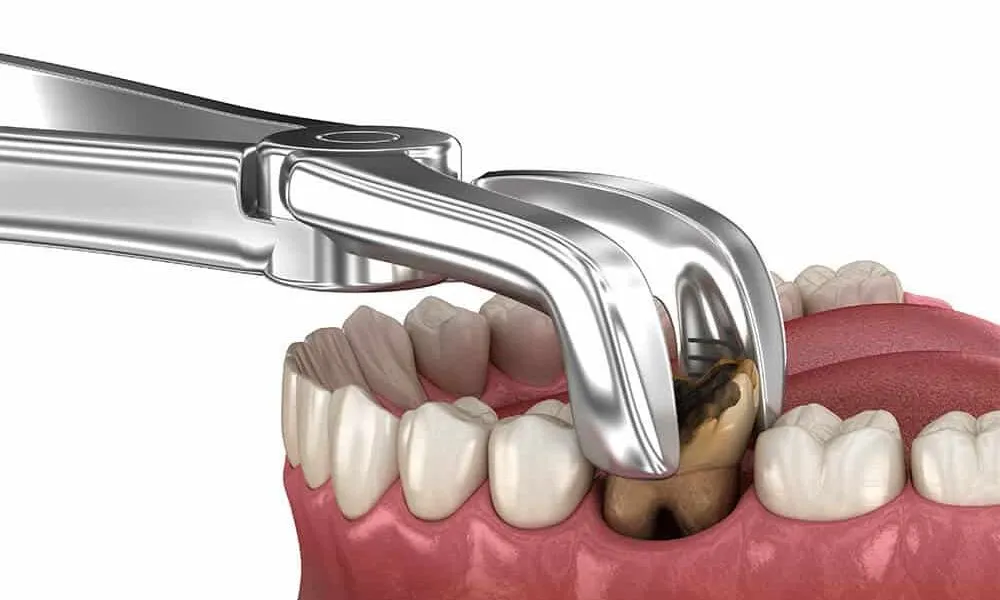
What Is a Simple Tooth Extraction?
A simple tooth extraction is the most straightforward type of dental extraction. It is performed when the tooth is fully visible in the mouth and easily accessible.
During this procedure, the dentist gently loosens the tooth using specialized instruments and removes it from the socket.
When Is Simple Extraction Recommended?
Simple extraction may be recommended in the following cases:
Teeth with an intact crown structure
Teeth that have not undergone root canal treatment
Loose teeth due to gum disease
Accessible root fragments
Situations where the surrounding bone is yielding
Cases with minimal anatomical risks, such as distance from nerves or sinuses
What Happens During a Simple Extraction?
The procedure typically involves:
Administering local anesthesia to numb the area
Loosening the tooth with an elevator instrument
Removing the tooth with dental forceps
Placing gauze to control bleeding
Because the procedure does not involve incisions or bone removal, healing is usually quick.
Healing After Simple Extraction
Most patients experience:
Mild soreness for 24–48 hours
Minimal swelling
Quick return to normal activities
Early healing generally occurs within a few days as the socket begins closing naturally.
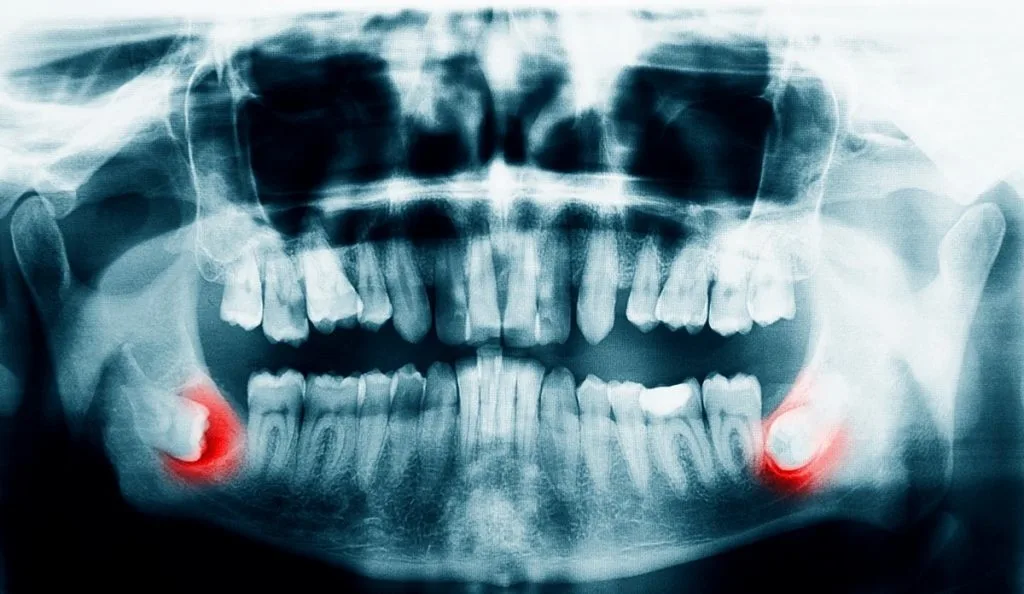
What Is a Surgical Tooth Extraction?
A surgical tooth extraction is a more complex dental procedure used when a tooth cannot be easily removed with simple techniques.
This may occur when a tooth is:
Broken below the gum line
Impacted inside the bone
Positioned abnormally
Difficult to access
In these cases, a minor surgical procedure is required to safely remove the tooth.
When Is Surgical Extraction Required?
Surgical extractions may be necessary for:
Impacted teeth
Wisdom teeth
Lower molars
Root canal treated teeth
Teeth close to vital structures like nerves or sinuses
Teeth with severely curved or angled roots
Teeth associated with cysts or pathological lesions
What Happens During Surgical Extraction?
The dentist or oral surgeon may:
Administer local anesthesia or sedation
Create a small incision in the gum
Gently remove a small amount of bone if required
Section the tooth into smaller pieces for easier removal
Clean the area and place stitches
This controlled surgical approach helps remove the tooth safely while minimizing trauma to surrounding tissues.
Healing After Surgical Extraction
Recovery typically includes:
Mild to moderate swelling
Discomfort for several days
Healing period of 48–72 hours for initial recovery
Stitches that may dissolve on their own
Swelling may peak within a few days before gradually improving as healing progresses.
Simple vs Surgical Tooth Extraction – Key Differences
| Feature | Simple Extraction | Surgical Extraction |
|---|---|---|
| Tooth visibility | Fully visible | Often impacted or broken |
| Procedure complexity | Basic | More complex |
| Gum incision | No | Yes |
| Bone removal | No | Sometimes |
| Tooth sectioning | Rare | Often |
| Stitches required | Usually no | Often required |
| Recovery time | 1–2 days | Several days to a week |
Both procedures are safe when performed by experienced dentists.
Tooth Extraction Aftercare Tips
Following proper aftercare instructions is essential for smooth healing and preventing complications such as dry socket or infection.
Important Aftercare Instructions
Avoid spitting for 24 hours
Spitting may dislodge the blood clot forming in the socket.
Eat soft and cold foods
Choose foods like yogurt, smoothies, soups, and mashed potatoes while avoiding hot foods.
Avoid smoking or using straws
Vaping, cigarettes, shisha smoking, and straw use should be avoided for at least 3 days.
Minimize mouth movements
Avoid excessive talking, stretching the cheeks, or pulling the lips to inspect stitches.
Maintain oral hygiene carefully
After 48 hours, rinse gently with warm salt water for up to five days.
These simple steps significantly improve healing and reduce discomfort.
When Should You Contact Your Dentist?
While most extractions heal without complications, contact your dentist if you experience:
Severe pain after several days
Persistent bleeding
Fever or swelling that worsens
Unusual taste or discharge from the extraction site
Prompt evaluation ensures any issues are treated quickly.
Expert Tooth Extraction in Dubai
At Crossroads Dental Clinic, Dubai, we prioritize patient comfort and safety during every dental procedure. Whether you need a simple extraction or surgical removal of impacted wisdom teeth, our experienced dentists use modern techniques and advanced technology to ensure a smooth and comfortable experience.
If you are experiencing tooth pain, infection, or swelling, consult our dental team for a professional evaluation and personalized treatment plan.
Conclusion
Tooth extraction may sound daunting, but understanding the difference between simple and surgical extractions can ease anxiety and help patients feel prepared.
A simple extraction is quick and straightforward when the tooth is easily accessible, while a surgical extraction is used for more complex situations such as impacted or damaged teeth.
With proper diagnosis, expert care, and following aftercare instructions, most patients recover quickly and comfortably.
If you are looking for safe and professional tooth extraction in Dubai, the team at Crossroads Dental Clinic is here to help.