
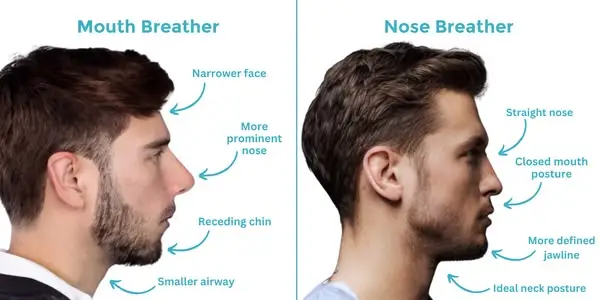
Mouth breathing effects can go far beyond simply waking up with a dry mouth. When breathing through the mouth becomes frequent—particularly during sleep—it may contribute to dry mouth, bad breath, tooth decay and gum irritation. In growing children, persistent mouth breathing may also be associated with changes in tooth alignment, bite development and jaw growth. It can occur alongside snoring and disturbed sleep, making it important to understand why nasal breathing is difficult. At Crossroads Dental Clinic in Dubai, dental and orthodontic assessments can help identify oral signs linked with chronic mouth breathing and determine whether further evaluation by an ENT or sleep specialist may be appropriate.
Why Nasal Breathing Is Essential for Oral and Overall Health
Nasal breathing is designed to support both oral health and total-body wellness. Your nose acts as a natural filtration system, trapping allergens, bacteria, and debris before they enter your airway. It also humidifies and regulates airflow, improving respiratory efficiency.
When breathing shifts from the nose to the mouth regularly, several protective benefits are lost. Mouth breathing bypasses these important systems, often leading to:
- Reduced saliva flow
- Increased oral dryness
- Poor tongue posture
- Changes in jaw and facial development
- Greater risk of sleep-disordered breathing
Because breathing patterns influence so many systems, airway-focused dentistry has become an increasingly important part of preventive care.
Dry Mouth and Increased Risk of Cavities
One of the earliest and most common oral signs of chronic mouth breathing is dry mouth.
Mouth breathing reduces saliva production, leaving the mouth persistently dry. Saliva is essential for maintaining healthy teeth and gums because it:
- Rinses away food particles
- Neutralizes harmful acids
- Helps control bacteria
- Protects enamel
Without enough saliva, the risk of several oral health issues increases significantly, including:
Common Dry Mouth Complications
- Cavities and tooth decay
- Gingivitis and gum disease
- Chronic bad breath
- Plaque buildup
- Tooth sensitivity
Dentists often identify chronic mouth breathing early by noticing dry tissues, inflamed gums, or an increase in cavities.
Impact on Jaw Growth and Facial Development
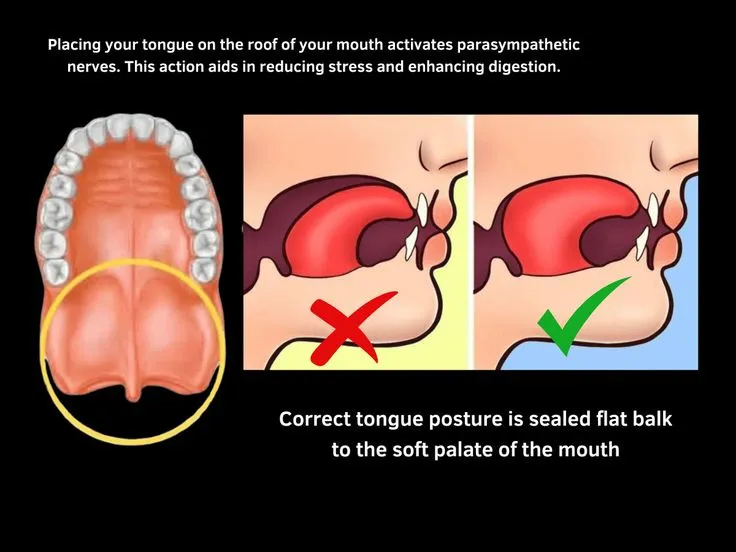
Current dental trends strongly emphasize airway-focused dentistry, especially during childhood development. Chronic mouth breathing can disrupt normal tongue posture, causing the tongue to rest low in the mouth instead of naturally pressing against the palate.
This improper positioning may gradually affect the way the jaw and face develop.
Potential Structural Changes from Mouth Breathing
- Narrow upper jaw
- High-arched palate
- Crowded teeth
- Longer, narrower facial shape
- Improper bite development
Because the tongue helps shape the upper jaw during growth, poor tongue posture can contribute to underdeveloped facial structures. These changes may impact both appearance and oral function over time.
Orthodontic Complications Linked to Mouth Breathing
Mouth breathing doesn’t just influence facial shape—it can also significantly affect bite alignment and muscle function.
Because jaw growth may become altered, chronic mouth breathing is closely associated with orthodontic concerns such as:
Common Bite Problems
- Overbite
- Open bite
- Crossbite
- Crowded or crooked teeth
These conditions can affect more than aesthetics. Bite misalignment may also reduce chewing efficiency, strain jaw muscles, and increase the likelihood of needing braces or other orthodontic interventions.
Gum Health Concerns You Shouldn’t Ignore
Constant airflow over the gums can dry and irritate delicate oral tissues. This creates an environment where inflammation can develop more easily.
When reduced saliva combines with dry tissues and increased plaque buildup, the gums become more vulnerable to:
- Gingivitis
- Gum recession
- Periodontal disease
- Tissue irritation
Healthy gums rely on moisture and saliva for protection, making mouth breathing a hidden but significant risk factor for long-term periodontal issues.
Whole-Body Effects of Chronic Mouth Breathing
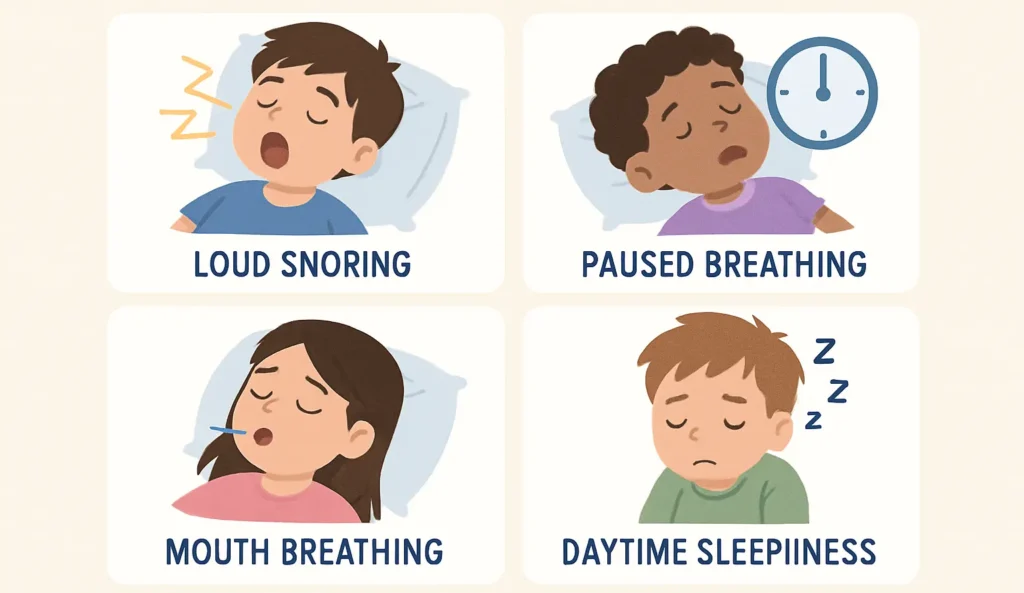
Today’s dental and medical communities increasingly recognize the powerful connection between oral health and full-body wellness. Mouth breathing doesn’t just impact teeth and gums—it may also contribute to broader health concerns.
Sleep Disturbances and Sleep Apnea
Habitual mouth breathing is often linked to:
- Snoring
- Poor-quality sleep
- Sleep-disordered breathing
- Obstructive sleep apnea
Poor sleep can affect energy levels, concentration, mood, immune function, and cardiovascular health.
Reduced Oxygen Efficiency
Unlike nasal breathing, mouth breathing bypasses the body’s natural filtration and humidification systems. This may reduce how efficiently oxygen is processed, especially during sleep.
Speech Development Issues in Children
Changes in tongue posture and oral structure may make it harder for children to pronounce certain sounds correctly, potentially affecting speech clarity and communication development.
What Causes Chronic Mouth Breathing?
Chronic mouth breathing is often connected to underlying airway or structural issues.
Common Causes Include
- Chronic nasal congestion
- Seasonal allergies
- Enlarged tonsils or adenoids
- Sinus infections
- Deviated septum
- Nasal obstruction
- Habit persistence after airway issues resolve
Even after the original problem improves, mouth breathing can remain a learned habit without intervention.
Signs You or Your Child May Be a Mouth Breather
Recognizing symptoms early can help prevent long-term complications.
Warning Signs
- Dry mouth upon waking
- Snoring
- Sleeping with an open mouth
- Chronic bad breath
- Crowded teeth
- Narrow palate
- Daytime fatigue
- Gum inflammation
If these symptoms are present, a dental or airway evaluation may be beneficial.
How to Address Mouth Breathing Early
Early detection is key to protecting oral health, facial development, and sleep quality.
Dentists today are trained to identify signs of mouth breathing during routine exams, including dry oral tissues, palate shape changes, and dental crowding.
Treatment Options May Include
- Referral to an ENT specialist for airway evaluation
- Orthodontic intervention to support proper jaw development
- Myofunctional or breathing retraining exercises
- Allergy or sinus treatment
- Preventive dental care for dry mouth management
A collaborative approach between dentists, orthodontists, ENTs, and pediatric specialists often delivers the best outcomes.
Breathe Better, Smile Healthier
Mouth breathing may seem minor, but its long-term effects can be significant—especially for growing children.
Addressing chronic mouth breathing early can help:
- Protect teeth from decay
- Improve gum health
- Support healthy jaw and facial development
- Reduce orthodontic complications
- Enhance sleep quality
- Improve overall wellness
If you or your child frequently breathes through the mouth, a dental evaluation is an excellent first step toward restoring healthier breathing habits and maintaining a confident, healthy smile.
Conclusion: Healthy Breathing Is a Foundation for Healthy Living
Breathing is automatic—but healthy breathing is essential. Chronic mouth breathing can silently impact oral health, sleep, facial growth, and overall wellness. By recognizing the signs early and seeking professional guidance, you can protect both your smile and long-term health.
Sometimes, opening your mouth is necessary—but when it comes to breathing, your nose knows best.