
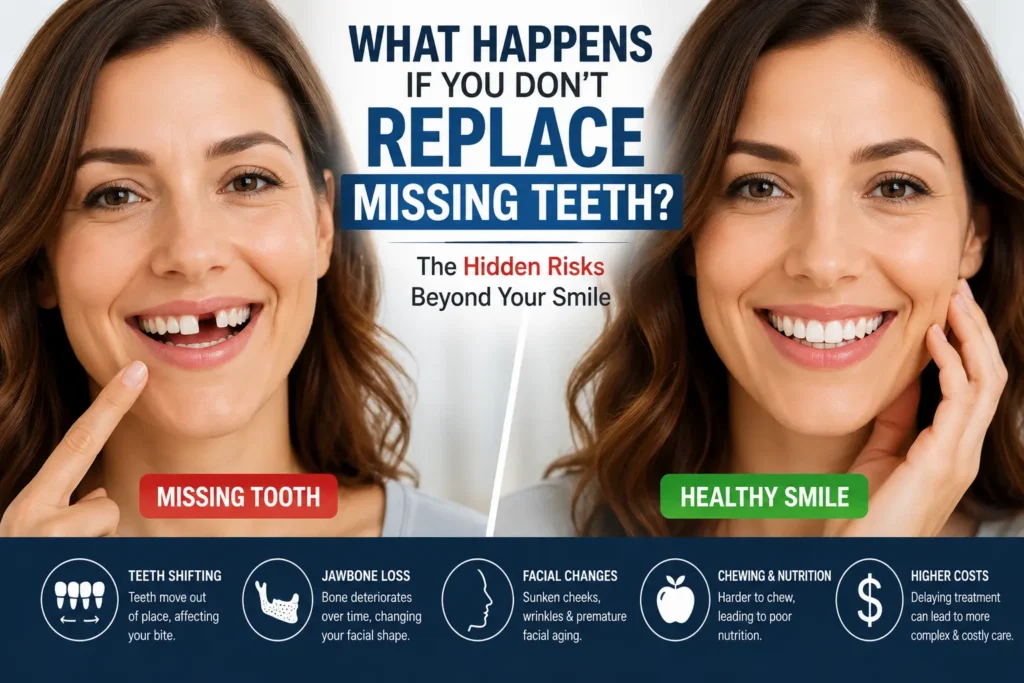
Losing a tooth can feel like a minor inconvenience—especially if it’s tucked away in the back of your mouth where no one can see it. Many people assume that as long as they can still smile confidently, they can wait to replace missing teeth. But the truth is, missing teeth can trigger a chain reaction of oral health, physical, emotional, and financial consequences that go far beyond appearance.
Your teeth are designed to work together as a complete system. Every tooth supports surrounding teeth, stimulates the jawbone, helps maintain facial structure, and plays an essential role in chewing and speaking. When even one tooth is lost and left untreated, your mouth begins to change—sometimes faster than you might expect.
If you’ve been wondering whether to replace missing teeth is really necessary, the answer is simple: yes, it often is. Ignoring tooth loss can lead to shifting teeth, bone deterioration, facial aging, nutritional issues, and more expensive dental procedures down the road.
Why Missing Teeth Are More Than Just a Cosmetic Issue
A missing tooth may seem like a visual concern, but its impact runs much deeper. Your teeth are anchored into your jawbone, and every time you bite or chew, that pressure stimulates the bone beneath your gums. This stimulation keeps your jawbone healthy and strong.
When a tooth is missing, that stimulation stops. The bone in that area can begin to shrink because it’s no longer being used. At the same time, neighboring teeth may begin drifting into the empty space, which can affect your bite alignment and overall oral health.
This means one untreated missing tooth can eventually influence your:
- Jawbone health
- Bite function
- Facial shape
- Speech clarity
- Digestion
- Confidence
In other words, tooth loss is rarely isolated—it often creates a domino effect.
1. Teeth Begin to Shift Out of Place
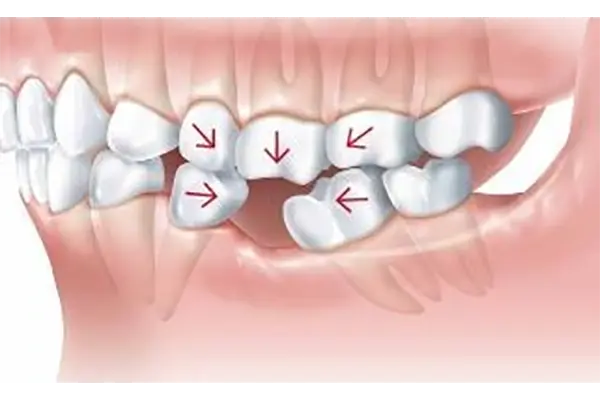
One of the first things that can happen after losing a tooth is movement in surrounding teeth. Your teeth naturally rely on one another for support. When a gap appears, adjacent teeth may slowly tilt or drift into the open space.
This shifting can lead to:
- Crooked teeth
- Bite misalignment
- Jaw discomfort
- Increased wear on remaining teeth
- Difficulty cleaning between teeth
As your bite changes, you may also become more vulnerable to TMJ (temporomandibular joint) discomfort, headaches, and uneven pressure when chewing.
2. Jawbone Loss Begins (Bone Resorption)
One of the most serious long-term effects of not replacing missing teeth is jawbone deterioration, also called bone resorption.
Your tooth roots stimulate the jawbone every day. Without that stimulation, your body may interpret the bone as unnecessary and begin reabsorbing it.
Why this matters:
- Bone loss can start within the first year
- The jaw may shrink over time
- Future dental implants may require bone grafting
- Facial structure can weaken
Bone loss is often silent, meaning you may not notice it until visible facial changes or advanced dental complications develop.
This is one reason dental implants are often recommended—they mimic natural tooth roots and help preserve jawbone density.
3. Your Face May Start to Look Older
Missing teeth don’t just affect your mouth—they can change the shape of your face.
Your teeth help support the lower third of your facial structure. When teeth are missing and jawbone shrinks, the skin around your mouth and cheeks can begin to sag.
Common facial changes include:
- Sunken cheeks
- Thinner lips
- More wrinkles around the mouth
- A collapsed or aged appearance
This process can make people appear older than they actually are. In fact, multiple missing teeth are often associated with premature facial aging.
Replacing teeth early can help preserve not just oral health, but also facial balance and youthful structure.
4. Chewing Becomes Harder, Affecting Nutrition
Your teeth are the first step in digestion. Missing teeth can make it harder to chew certain foods properly, especially:
- Fruits
- Vegetables
- Nuts
- Lean meats
As chewing becomes more difficult, many people begin avoiding nutrient-rich foods in favor of softer, processed options.
Potential consequences:
- Poor digestion
- Nutritional deficiencies
- Weight changes
- Reduced energy
- Higher long-term health risks
This is especially important for older adults, where tooth loss can contribute to poor overall health due to compromised nutrition.
5. Speech Problems Can Develop
Teeth play a key role in speech by helping form sounds properly. Missing front teeth, in particular, can affect pronunciation.
You may notice difficulty with:
- “S” sounds
- “F” sounds
- “Th” sounds
This can cause lisps, slurring, or altered speech patterns that may impact self-confidence in social or professional settings.
Even one missing tooth can subtly change the way air moves through your mouth, affecting verbal clarity.
6. Gum Disease and Tooth Decay Risk Can Increase
The gap left by a missing tooth can create new areas where food debris and plaque collect. This may make oral hygiene more challenging, especially if surrounding teeth shift.
As a result, you may face:
- Increased plaque buildup
- Gum inflammation
- Higher cavity risk
- Periodontal disease
Additionally, misaligned teeth can create hard-to-clean spaces that encourage bacteria growth.
Ignoring a missing tooth can therefore increase the likelihood of losing even more teeth over time.
7. Delaying Treatment Can Become More Expensive
Many people postpone replacing missing teeth to save money—but waiting often leads to greater costs later.
For example:
- Bone loss may require grafting
- Teeth shifting may require braces
- Gum disease may need treatment
- Additional teeth may become compromised
What could have been a straightforward replacement may evolve into a more complex and costly full-mouth rehabilitation.
In many cases, early intervention is more affordable and less invasive than delayed treatment.
How Quickly Do Problems Start After Tooth Loss?
The timeline varies, but changes can begin surprisingly soon.
First Few Weeks After Tooth Loss
- Gums begin healing
- Initial shifting may start
Months After Losing a Tooth
- Bite changes may develop
- Bone loss may begin
Years of Untreated Missing Teeth
- Facial changes become more visible
- Significant bone deterioration can occur
- Additional oral complications may arise
The sooner you address missing teeth, the better your chances of preserving bone and minimizing complications.
Best Options to Replace Missing Teeth
Fortunately, modern dentistry offers several effective solutions.
Dental Implants
Implants are often considered the gold standard because they:
- Replace both root and crown
- Preserve jawbone
- Look natural
- Function like real teeth
Dental Bridges
Bridges fill the gap using adjacent teeth for support. They can restore appearance and function but do not stimulate the jawbone like implants.
Partial Dentures
A more affordable removable option, partial dentures can replace multiple teeth but may not offer the same stability as implants.
The best option depends on your oral health, budget, and long-term goals.
When Should You Replace Missing Teeth?
In most cases, sooner is better.
Early replacement can:
- Prevent teeth shifting
- Preserve jawbone
- Maintain facial shape
- Improve speech
- Reduce future treatment costs
Waiting can limit your options and make restoration more complex.
Final Thoughts: Replace Missing Teeth
Missing teeth are about far more than aesthetics. What starts as a single gap can gradually impact your oral health, facial structure, confidence, and finances. Teeth shifting, bone loss, speech changes, and nutritional issues are all potential consequences of delaying treatment.
The good news is that modern dentistry offers multiple ways to restore your smile and protect your health. Acting early can help you avoid bigger problems, preserve your jawbone, and maintain your quality of life.
If you have a missing tooth, consulting with a dental professional sooner rather than later can make a major difference—not just for your smile, but for your long-term well-being.