
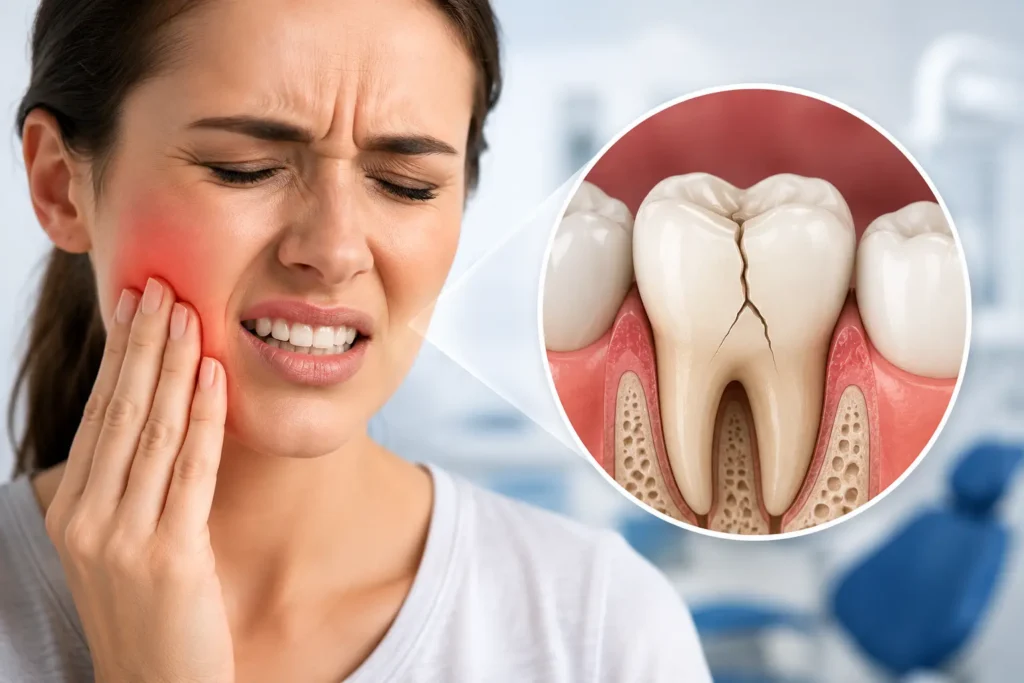
A cracked tooth can happen unexpectedly while eating hard food, grinding your teeth during sleep, or after an accident. While some cracks may seem minor at first, others can quickly turn into a painful dental emergency that requires immediate attention.
Many people ignore the early signs of a cracked tooth because the discomfort may come and go. However, delaying treatment can worsen the damage, increase pain, and even lead to tooth loss or infection.
If you are experiencing sudden tooth pain, sensitivity, or difficulty chewing, understanding when a cracked tooth becomes an emergency is essential. At Crossroads Dental Clinic, with convenient locations in Deira and Sheikh Zayed Road, Dubai, patients receive prompt and advanced emergency dental care to protect their oral health and restore their smiles.
What Is a Cracked Tooth?
A cracked tooth occurs when a fracture develops in the enamel, dentin, or root of the tooth. The severity can range from a tiny surface crack to a deep fracture that reaches the nerve.
Cracks may be visible, but in many cases they are difficult to see without a dental examination. Some people only notice pain while chewing, while others experience extreme sensitivity to hot or cold foods.
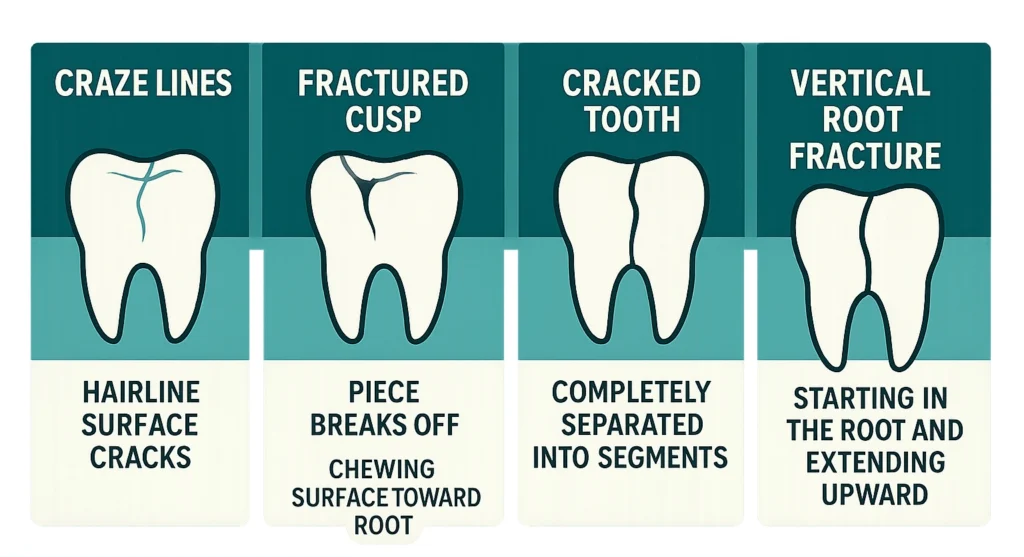
Common types of tooth cracks include:
Craze Lines:
These are tiny surface cracks in the enamel. They are usually harmless and common in adults.
Fractured Cusp:
This occurs when part of the chewing surface breaks off, often around a dental filling.
Split Tooth:
A split tooth is a severe crack that divides the tooth into sections and may require extraction.
Vertical Root Fracture:
This type begins below the gum line and can spread upward. It often causes infection and may go unnoticed initially.
Cracked Tooth Syndrome:
This refers to incomplete fractures that cause intermittent pain, especially when chewing.
What Causes a Cracked Tooth?
A tooth can crack for several reasons. Understanding the cause may help prevent future dental emergencies.
Biting Hard Foods:
Chewing hard candy, popcorn kernels, nuts, or ice can place excessive pressure on the teeth.
Teeth Grinding:
Chronic grinding or clenching, also known as bruxism, weakens tooth enamel over time.
Dental Trauma:
Sports injuries, falls, or car accidents can result in cracked or broken teeth.
Large Fillings:
Teeth with large fillings may become weaker and more prone to fractures.
Sudden Temperature Changes:
Switching quickly between hot and cold foods can stress the tooth structure.
Aging:
Teeth naturally weaken with age, especially after years of wear and tear.
Signs Your Cracked Tooth May Be a Dental Emergency
Not every cracked tooth requires immediate treatment, but certain symptoms indicate a dental emergency that should never be ignored.
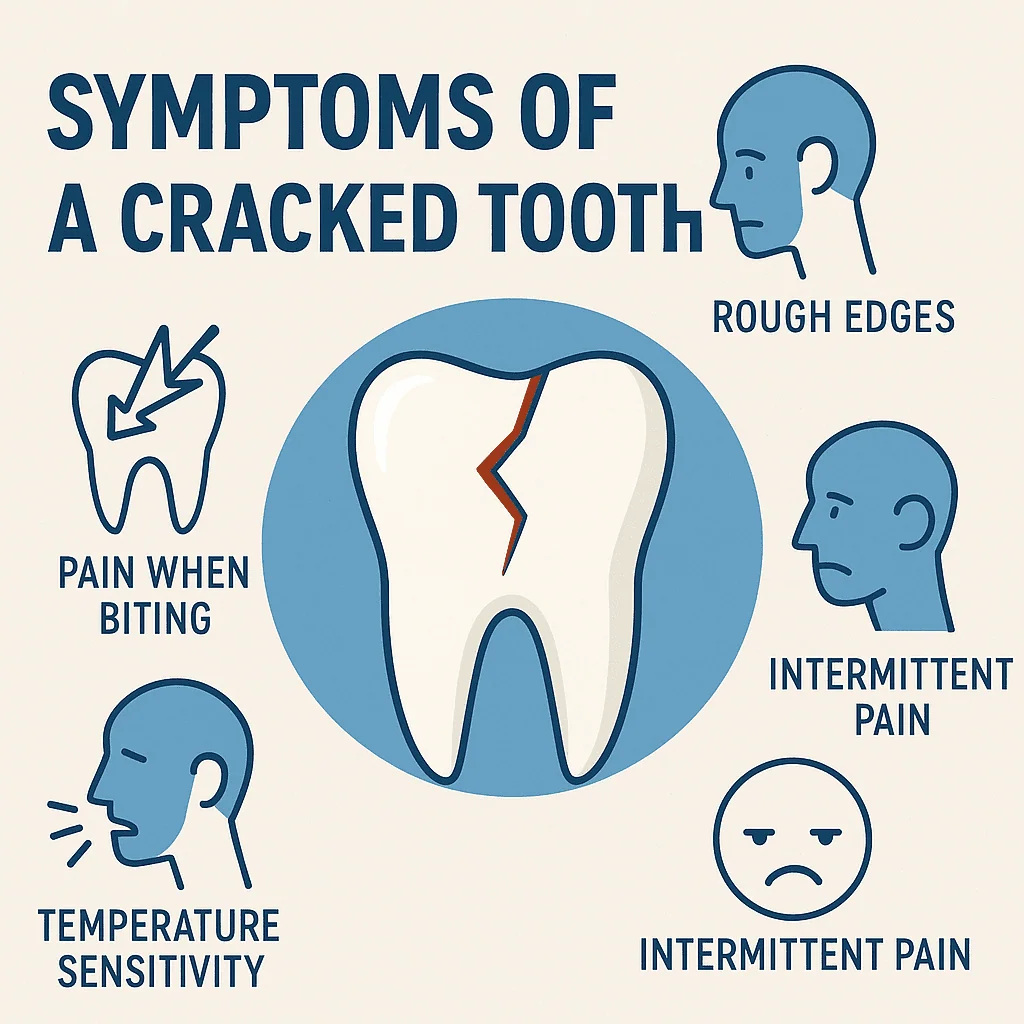
Severe Tooth Pain:
Intense or throbbing pain is one of the most common signs of a serious crack. Pain may worsen while chewing or biting down.
Sensitivity to Hot or Cold:
If your tooth suddenly becomes extremely sensitive to temperature changes, the crack may have exposed the inner layers of the tooth.
Swelling Around the Tooth:
Swelling in the gums or face may indicate infection or nerve involvement.
Bleeding Gums:
Bleeding near the cracked tooth can suggest trauma or damage below the gum line.
Sharp Pain While Eating:
Pain that comes and goes during chewing is often linked to cracked tooth syndrome.
Visible Crack or Missing Piece:
A noticeable fracture or broken portion of the tooth requires prompt dental evaluation.
Signs of Infection:
Fever, pus, bad taste in the mouth, or persistent swelling could indicate a dental abscess, which is a serious emergency.
When Is a Cracked Tooth a Dental Emergency?
A cracked tooth becomes a dental emergency when it threatens the health of the tooth, surrounding gums, or jaw.
You should contact an emergency dentist immediately if:
- You have severe or constant pain
- The tooth is loose or broken
- You notice swelling or infection
- Bleeding does not stop
- You cannot chew properly
- The crack extends below the gum line
- The tooth has sharp edges causing injury
- You develop fever or facial swelling
Delaying treatment may allow bacteria to enter the tooth, increasing the risk of infection and tooth loss.
What to Do Immediately After Cracking a Tooth
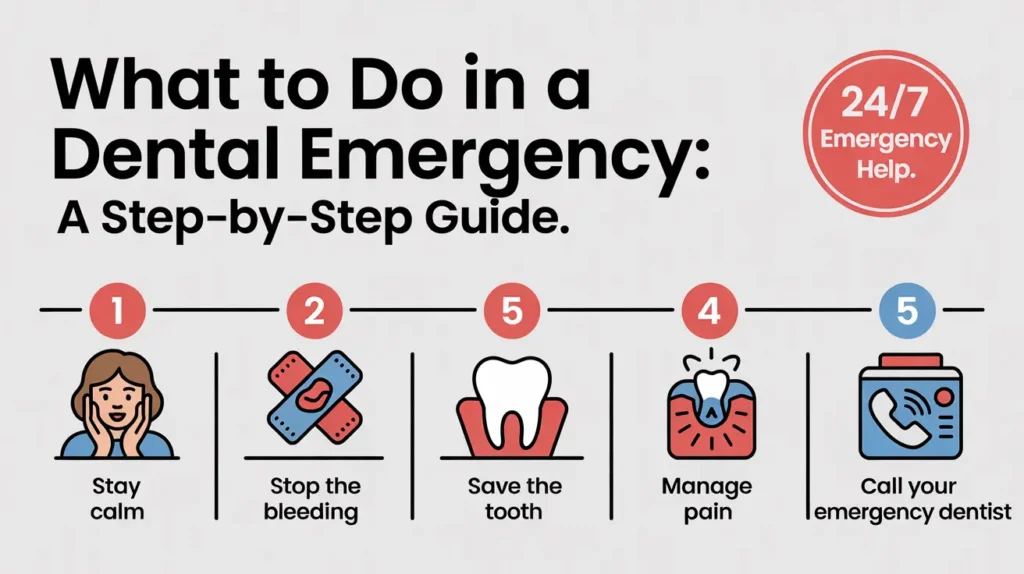
Taking quick action can reduce pain and improve the chances of saving your tooth.
Rinse Your Mouth:
Use warm salt water to clean the area and reduce bacteria.
Apply a Cold Compress:
Place a cold pack on the outside of your cheek to minimize swelling.
Avoid Chewing on That Side:
Stick to soft foods and avoid putting pressure on the cracked tooth.
Take Pain Relievers:
Over-the-counter pain medication may help reduce discomfort temporarily.
Protect the Tooth:
Dental wax or sugar-free gum can cover sharp edges until you see a dentist.
Call an Emergency Dentist:
Seek professional dental care as soon as possible for proper diagnosis and treatment.
Can a Cracked Tooth Heal on its Own?
Unfortunately, a cracked tooth does not heal naturally like a broken bone. Once the enamel or tooth structure is fractured, professional dental treatment is usually necessary.
Minor craze lines may not require treatment, but deeper cracks tend to worsen over time if ignored.
The longer you wait, the higher the risk of:
- Tooth infection
- Nerve damage
- Tooth splitting
- Tooth extraction
- Gum complications
Early treatment can often save the tooth and prevent expensive procedures later.
How Dentists Diagnose a Cracked Tooth
Cracked teeth can be difficult to identify because some fractures are microscopic.
A dentist may use several methods to diagnose the problem, including:
Dental Examination:
The dentist checks for visible cracks, swelling, or damaged enamel.
Dental X-Rays:
X-rays help detect fractures, infections, and root damage.
Bite Tests:
You may be asked to bite down on a special tool to identify pain points.
Dental Dye:
Special dye can highlight cracks in the enamel.
Advanced Imaging:
Some dental clinics use 3D scans or intraoral cameras for accurate diagnosis.
Treatment Options for a Cracked Tooth
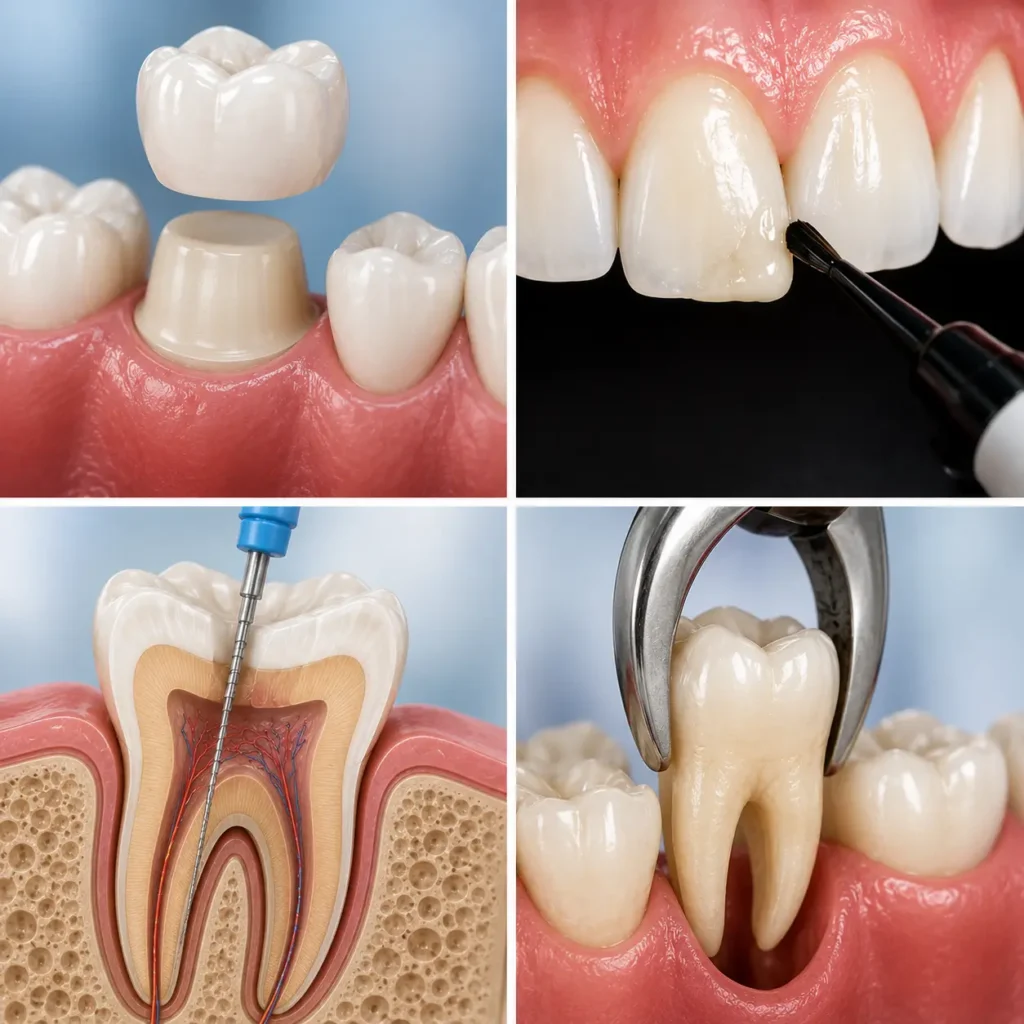
The best treatment depends on the severity and location of the crack.
Dental Bonding:
For small cracks, tooth-colored resin can repair and restore the enamel.
Dental Crown:
A crown covers and protects a weakened tooth from further damage.
Root Canal Treatment:
If the crack reaches the pulp or nerve, a root canal may be necessary to remove infection and save the tooth.
Tooth Extraction:
Severely split teeth may require extraction if they cannot be repaired.
Dental Veneers:
Front teeth with cosmetic cracks may benefit from porcelain veneers.
How to Prevent a Cracked Tooth
Although not all cracks are avoidable, you can lower your risk with proper dental care.
Avoid Chewing Hard Objects:
Never chew ice, pens, or hard candy.
Wear a Mouthguard:
Use a custom mouthguard if you grind your teeth or play contact sports.
Maintain Regular Dental Checkups:
Routine exams help identify weak teeth before they fracture.
Treat Teeth Grinding:
Night guards can reduce pressure caused by bruxism.
Eat a Tooth-Friendly Diet:
Calcium-rich foods help strengthen enamel and overall oral health.
Chipped Tooth vs. Cracked Tooth: What Is the Difference?
Many people confuse chipped and cracked teeth, but they are different conditions.
Chipped Tooth:
A chipped tooth usually involves a small piece of enamel breaking off. It may be painless and cosmetic.
Cracked Tooth:
A crack often extends deeper into the tooth structure and can cause pain, sensitivity, or infection.
A dentist should evaluate both conditions to determine the best treatment.
Can You Wait Until Morning for a Cracked Tooth?
Some cracked teeth can wait a few hours, while others require immediate emergency treatment.
You may wait briefly if:
- The pain is mild
- There is no swelling
- You can eat comfortably
- The crack is very small
However, seek urgent dental care if:
- Pain is severe
- Swelling develops
- The tooth is loose
- You notice bleeding or pus
- You have difficulty opening your mouth
When in doubt, it is always safer to contact an emergency dentist.
The Cost of Treating a Cracked Tooth
Treatment costs vary depending on the severity of the crack and the procedure needed.
Typical treatments may include:
- Dental bonding
- Crowns
- Root canals
- Tooth extraction
- Dental implants
Early treatment is usually less expensive than waiting for complications to develop.
Why Choose Crossroads Dental Clinic in Dubai for Emergency Dental Care?
Dental emergencies require fast, professional, and compassionate care. Crossroads Dental Clinic provides advanced emergency dental treatment for patients across Dubai.
Convenient Locations:
Patients can easily access care at the clinic’s branches in:
- Deira, Dubai
- Sheikh Zayed Road, Dubai
Experienced Dental Team:
The clinic’s skilled dentists handle cracked teeth, dental trauma, severe tooth pain, and urgent dental procedures with precision.
Advanced Technology:
Modern diagnostic tools allow accurate detection and effective treatment planning.
Patient-Focused Care:
Every treatment plan is customized to restore comfort, function, and aesthetics.
Same-Day Emergency Appointments:
Quick treatment helps prevent complications and reduces pain faster.
When Should You Visit a Dentist Immediately?
You should seek emergency dental care immediately if you experience:
- Severe tooth pain
- Swelling in the gums or face
- Fever with tooth pain
- Bleeding that does not stop
- A cracked tooth after trauma
- Difficulty opening your mouth
- Signs of infection
Ignoring these symptoms can lead to serious oral health complications.
A cracked tooth may seem minor initially, but it can quickly become a serious dental emergency if left untreated. Recognizing the symptoms early and seeking prompt professional care can help save your tooth and prevent long-term complications.
Whether you are dealing with sudden tooth pain, sensitivity, or a visible crack, immediate evaluation is essential. Crossroads Dental Clinic in Deira and Sheikh Zayed Road, Dubai offers comprehensive emergency dental care with advanced technology and experienced dentists dedicated to restoring your oral health quickly and comfortably.
Do not wait for the pain to worsen. Early treatment can make all the difference in protecting your smile.